Portable High-Capacity Electric BBQ Grill for Indoors/Outdoors
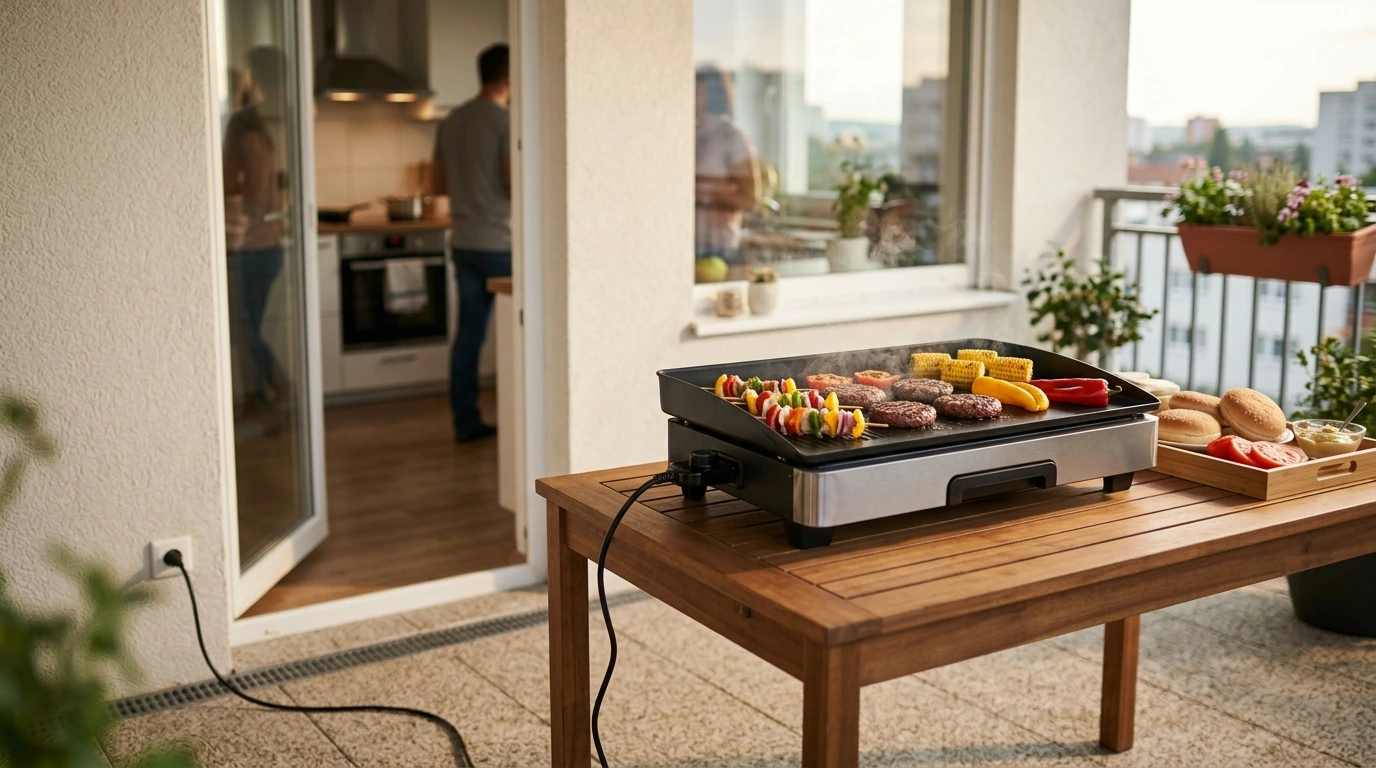
High-Capacity Indoor/Outdoor Electric BBQ Grill – Versatile & Portable
A high-capacity electric BBQ grill takes a lot of friction out of feeding a group. Instead of monitoring flames or running out for fuel, you get steady, controllable heat that’s ready for weeknight dinners and dependable enough for weekend get-togethers. The portable indoor/outdoor format is especially handy when you want the convenience of kitchen-friendly cooking and the fun of patio grilling—without turning cleanup into a second job.
What Makes an Electric BBQ Grill a Practical Choice
Electric grilling is built around repeatability. With a consistent heat source and straightforward controls, it’s easier to hit the same doneness across multiple batches—helpful when you’re cooking burgers for the family and veggies for the side all at once.
- Consistent heat without flame management: More predictable timing and fewer flare-up surprises.
- Reduced smoke when kept clean: Grease buildup is a common cause of extra smoke; routine cleaning helps keep performance steady.
- Simple start/stop operation: Preheat, cook, cool, and store—no propane refills or charcoal ash to deal with.
- May suit restricted grilling spaces: Some properties limit open-flame grills; always confirm local rules and building policies before using any grill.
For general grilling safety reminders, the NFPA grilling safety guidance is a solid reference point.
High-Capacity Cooking for Families and Guests
The biggest day-to-day advantage of a larger cooking surface is pacing. When everything can cook at once, food lands on the table hot and together—rather than arriving in waves as you cycle batch after batch.
- More room to organize the surface: Keep proteins on one side, vegetables on another, and warm buns away from splatter.
- Smoother batch cooking: Sear the first round, then slide items to a lower-heat area while the next round cooks.
- Better for mixed menus: Quick-cooking items (shrimp, sliced squash, peppers) can finish while thicker cuts continue.
- Temperature stability matters: Avoid overcrowding and keep the lid closed when possible so heat recovers faster between flips.
Capacity and Use-Case Checklist
| Need | Why it matters | How a high-capacity electric grill helps |
|---|---|---|
| Multiple servings at once | Reduces wait time and keeps food hot together | More space for batch cooking and staging |
| Mixed foods (veg + proteins) | Different cook times and heat needs | Room to separate items into zones |
| Weeknight speed | Less setup/cleanup time | Quick preheat and no fuel management |
| Occasional gatherings | Consistency across batches | Repeatable control for doneness and timing |
Indoor/Outdoor Versatility: Where and How to Use It
One of the most useful traits of a portable electric BBQ grill is flexibility. You can set up outside for classic patio meals, then bring it back in for convenient storage (once completely cooled).
- Outdoor setup: Place the grill on a stable, heat-resistant surface with clear space around it. Route the cord where it won’t be snagged or tripped over.
- Indoor use (when allowed): Ventilation is the deciding factor. Use near strong airflow (such as a capable range hood) and protect nearby surfaces from heat and grease.
- Weather awareness: Keep plugs and connections dry; never operate in rain, standing water, or anywhere the cord could get wet.
- Easy mobility: A portable format works well for balconies, patios, or garage storage—just let the unit cool fully before moving.
For additional consumer safety reminders related to grills, see the U.S. Consumer Product Safety Commission grill safety guidance.
Temperature Control and Cooking Results
Electric grills reward a few simple habits. The goal is to stabilize the cooking surface, keep moisture under control, and confirm doneness with temperature—not guesswork.
- Preheat for browning: Give the grill time to come up to temperature so food sears instead of steaming.
- Watch for stability cues: A steady sizzle and even browning usually signal consistent heat.
- Cook to safe internal temperatures: Especially for poultry and ground meats, use a thermometer to confirm doneness. The USDA safe minimum internal temperature chart is a reliable standard.
- Manage marinades and sugar: Pat proteins dry for better browning; apply sugary sauces later to reduce scorching.
Cleanup and Maintenance That Keeps Performance Steady
Easy cleanup is one of the biggest quality-of-life perks of electric grilling—if you keep up with it. Grease buildup can increase smoke, affect flavor, and make temperature recovery slower.
- Clean after each use (once safely cooled): Wipe away residue before it hardens.
- Wash removable parts thoroughly: Dry completely before reassembly to keep everything fitting properly.
- Stay on top of grease management: Empty drip trays regularly and wipe any surrounding surfaces.
- Protect the cord and plug: Inspect for wear, keep connections dry, and store the cord loosely coiled to avoid internal damage.
Portable Setup Tips for Better Grilling Sessions
A few small setup decisions can make grilling feel smoother and safer—especially when you’re cooking away from your main kitchen tools.
Who This Grill Format Fits Best
In-Stock Picks to Round Out Your Setup
- High-Capacity Indoor/Outdoor Electric BBQ Grill – Versatile & Portable
- Calvin Klein Jeans Women’s Silver Shoes
- Dogbaby Adjustable Reflective Dog Harness Vest
- Cozy Honey Pot Cat Bed
FAQ
Can an electric BBQ grill be used indoors?
It can be used indoors only where indoor electric grilling is permitted and ventilation is strong enough to manage heat, smoke, and grease. Keep the unit away from flammables, protect nearby surfaces, and follow property rules and the manufacturer’s safety instructions.
Does an electric grill get hot enough for searing?
It can, especially with proper preheating and by avoiding overcrowding so the surface temperature stays high. Dry the food surface for better browning and use a thermometer to confirm doneness rather than relying on timing alone.
What’s the best way to clean an electric BBQ grill after cooking?
Let it cool safely, then remove and wash any removable parts and empty the drip tray. Wipe down surfaces to prevent grease buildup, and avoid getting water on electrical components to protect performance and safety.















Leave a comment